
WWDC26 Signals the Rise of the AI Operating System. Here's What It Means for Businesses.

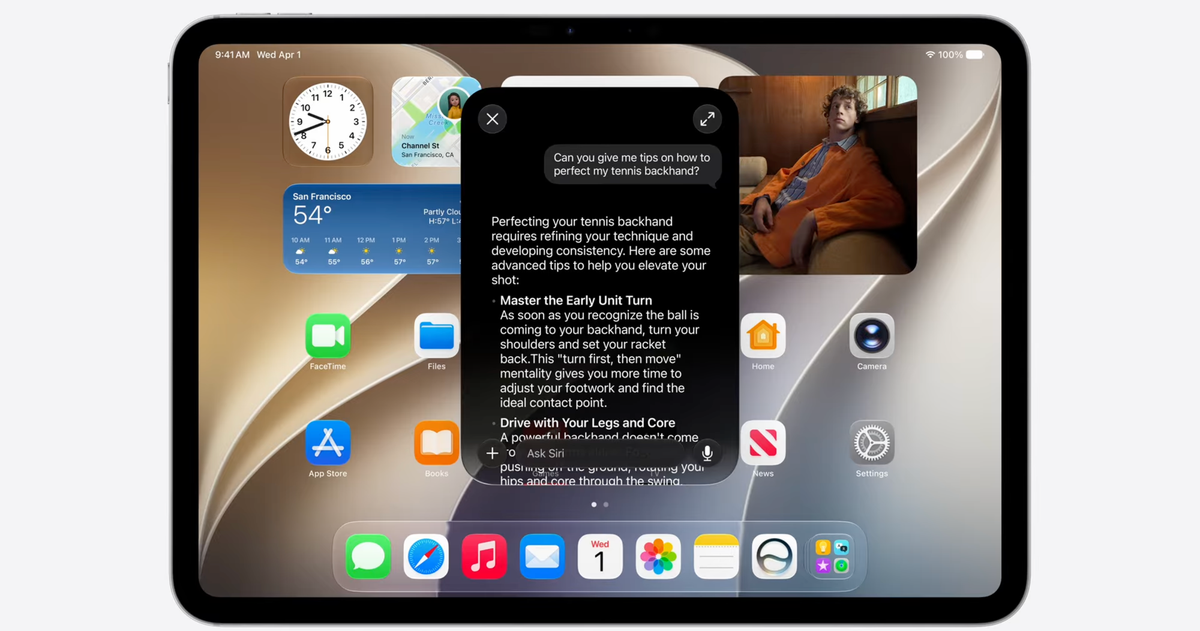
Apple's WWDC26 keynote was supposed to be about a smarter Siri.
Instead, it revealed something much bigger.
The most important demos weren't about asking questions. They were about getting work done.
A user selects multiple files and asks Siri to compare them. Siri analyzes the files and produces a structured comparison table. Another user asks Siri to negotiate with a contractor. Siri understands the context, drafts an email, and prepares it for sending. These are not chatbot experiences. These are workflow experiences.
Apple's vision is clear: AI should disappear into the operating system and quietly help users complete tasks across applications. Siri AI is deeply integrated with Finder, Mail, Messages, Photos, and other apps, allowing users to stay within their existing workflows instead of constantly switching to a chatbot interface.
The Industry Is Moving Beyond Chat
Over the past few years, most AI products have revolved around conversations.
Claude introduced Computer Use.
Microsoft built Copilot into workplace applications.
MonstarX build an AI App Builder
Now Apple is embedding AI directly into the operating system itself.
The industry is moving from:
Chatbots → Assistants → Agents → Operating Systems
The next generation of AI will not simply answer questions. It will understand context, make decisions, orchestrate workflows, and execute tasks on behalf of users.
Why This Matters For Businesses
Many organizations are still exploring AI through standalone tools. However, the real transformation happens when AI becomes part of everyday business processes.
Imagine:
- AI analyzing requirements and generating project documentation.
- AI comparing multiple proposals and creating recommendation reports.
- AI preparing customer communications using organizational context.
- AI coordinating workflows across multiple systems and applications.
These are the capabilities that will create measurable productivity gains.
The technology itself is becoming less important than how seamlessly it integrates into existing work.
What MonstarX Is Doing
At MonstarX, we believe the future belongs to AI-powered workflows rather than isolated AI features.
That is why our focus is increasingly shifting toward:
AI-Native Enterprise Workflows
Building solutions where AI becomes part of the business process rather than an external tool.
Agentic Systems
Developing AI agents capable of reasoning, coordinating tasks, and interacting with enterprise systems.
Enterprise Knowledge & Context
Creating solutions that allow AI to understand organizational data, documents, and business context to deliver more relevant outcomes.
AI-Augmented Software Delivery
Using AI throughout the software development lifecycle, from requirements gathering and architecture design to development, testing, and documentation.
Human + AI Collaboration
Designing systems where AI amplifies human decision-making rather than replacing it.
Looking Ahead
The biggest takeaway from WWDC26 is not that Siri became smarter. It is that one of the world's largest technology companies has fully embraced the idea that AI should become an invisible layer across every digital experience.
The winners of the next decade may not be the companies with the most powerful AI models. They may be the companies that successfully embed AI into the workflows people use every day. WWDC26 suggests Apple understands this. At MonstarX, we're building for that future today.